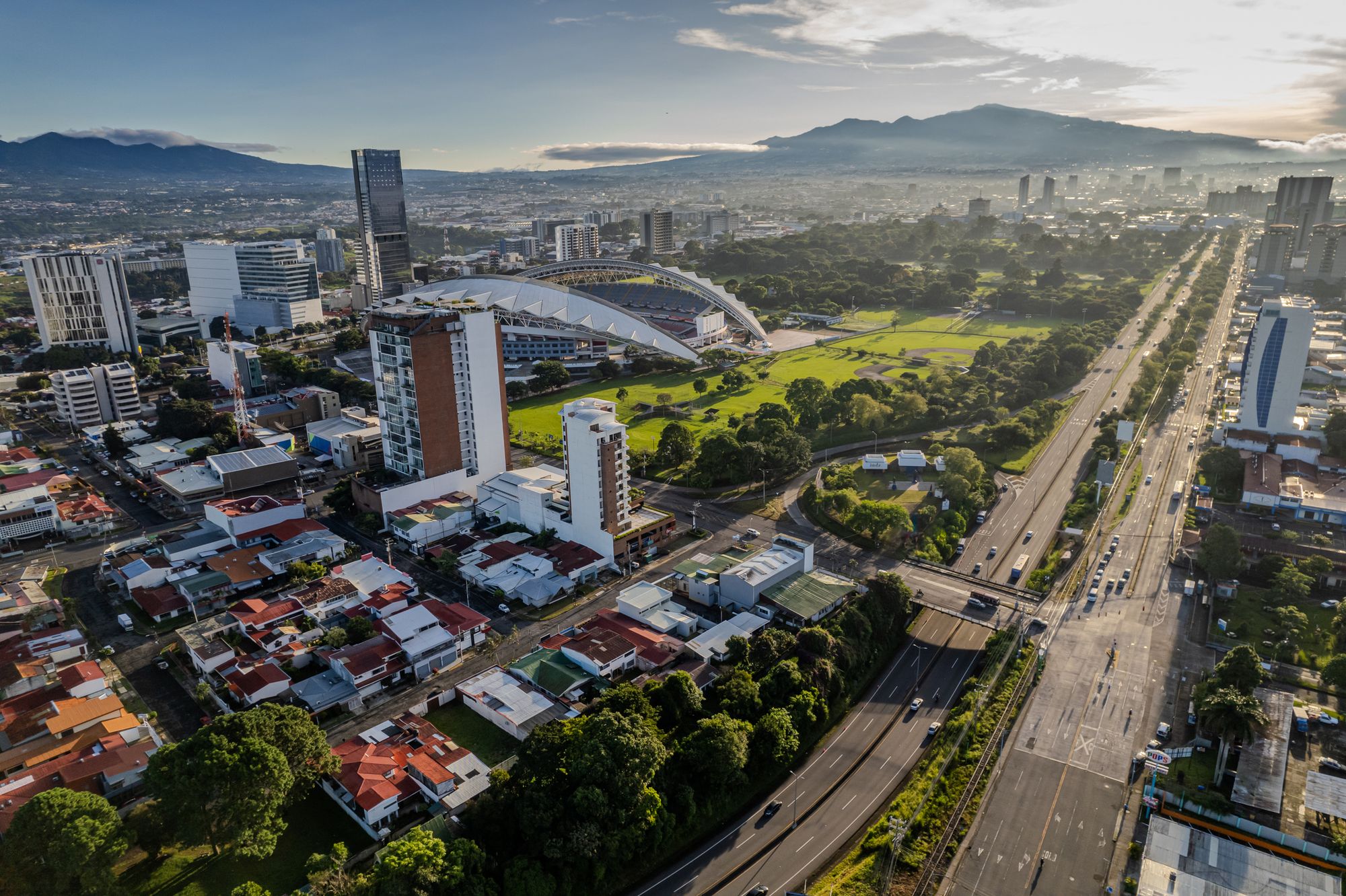
San José, Costa Rica
By Aaron Bailey · Last updated
San José is Costa Rica's vibrant capital city, offering world-class museums, historic architecture, and a thriving food scene. Explore the Central Market, visit the National Theater, and experience authentic Tico culture in this bustling urban center.
Aaron's Notes
This is my adopted home. Many tourists skip San Jose but I think it's worth checking out, especially if you've visited Costa Rica's beaches and mountains before. For a good introduction to downtown and the Central Market, check out my friend Alejandro's walking tour, a hit when friends come to visit. For food, head to Barrio Escalante. My go-to for brunch or coffee is Cafeoteca but there are enough options to keep you busy for days.
Top attractions & tours
Some tour links below are affiliate links — if you book through them, Route Pura Vida earns a small commission at no extra cost to you.
The Teatro Nacional, a belle-époque opera house from 1897, is San José's most photographed landmark and still hosts concerts and tours. Around the corner, the Museo del Oro Precolombino packs three floors of pre-Columbian gold into the basement of the Plaza de la Cultura.
The Mercado Central has operated since 1880 and is the best way to taste San José in one hour: casados, chicharrones, tropical juices, and coffee beans sold by the kilo. Walk it with a local guide if you can — the alleys get confusing and the sodas that look sketchy are often the best ones.
For a half-day outside the center, Parque Nacional Volcán Irazú climbs above 11,000 feet with views on clear mornings all the way to both oceans. Closer in, Parque La Sabana is the city's Central Park and a good jogging or pickup-soccer spot.
Local picks
Barrio Escalante is San José's current food neighborhood — think tree-lined streets of restored craftsman houses converted to restaurants. Standouts: Silvestre, Al Mercat, Isolina, and Franco for coffee. A couple of blocks east, the Saturday farmers' market at Plaza Roosevelt is a locals' scene.
For classic Costa Rican food, Tin Jo (pan-Asian and a city institution), Nuestra Tierra (Tico folkloric), and a dozen traditional sodas around Mercado Borbón deliver heaping plates under $10. The Chepe Chelas craft-beer scene is concentrated in Barrio California and Escalante.
Art and nightlife cluster around the Barrio Amón old-mansion district and the pedestrianized Paseo de los Yoses. The Museo de Arte Costarricense sits inside the former airport terminal at La Sabana and is free on weekdays.
Weather & climate
San José enjoys one of the most comfortable climates of any capital in the world — highs in the upper 70s°F, lows around 60°F, and little variation month to month. Locals call it 'eternal spring' and mean it.
The dry season (mid-December through April) is sunny nearly every day. From May through November, expect a daily pattern of bright mornings and afternoon thunderstorms that usually clear by dinner.
You'll want a light sweater at night year-round and a rain jacket from May onward. The city's mid-altitude keeps mosquitoes relatively mild compared to the coasts.
Monthly climate
Safety considerations
San José is a relatively safe Latin American capital but has the typical urban issues of any large city: pickpocketing in crowded markets, occasional bag snatches downtown, and don't flash phones or jewelry on the street. The areas tourists tend to visit — Escalante, Amón, Yoses, La Sabana, around the Teatro Nacional — are fine to walk during the day.
After dark, take an Uber rather than walking more than a few blocks, especially south and west of the Mercado Central. Skip the Coca-Cola bus-terminal neighborhood at night. Hotel safes are useful for passports; keep a photo and a photocopy on your phone.
Getting around
Uber works well in San José and is typically the easiest way to move between neighborhoods — most rides within the city run under $6. Official red taxis are also fine; make sure the maría (meter) is on.
The city center is flat and walkable in daylight. Public buses are cheap and go everywhere but are disorienting for first-time visitors — there's no metro, no unified app, and stop signs are inconsistent. Save buses for when you know where you're going.
When to visit
Any month is a good month for San José thanks to the stable climate, but the dry season pairs best with onward travel to the mountains and beaches. February and March are picture-postcard weather — warm days, cool nights, zero rain.
The city is quieter and cheaper in the green season, and I personally find it more atmospheric: the rain softens the mountains around the valley, and afternoons indoors at a museum or café feel just right. The weeks around Christmas and Semana Santa (Holy Week) bring festivals, parades, and bullfights in the Zapote neighborhood.