Tamarindo, Costa Rica
By Aaron Bailey · Last updated
Tamarindo is a vibrant beach town on Costa Rica's Pacific coast, famous for world-class surfing, stunning sunsets, and lively nightlife. Popular with backpackers and families alike, it offers excellent restaurants, wildlife tours, and endless beach activities.
Aaron's Notes
The first place I ever visited in Costa Rica. Locals call it Tamagringo because it's very touristy, but there's something about Tamarindo you can't find elsewhere: lots of great restaurants, a vibrant nightlife, and a stunning beach, all walkable.
Top attractions & tours
Some tour links below are affiliate links — if you book through them, Route Pura Vida earns a small commission at no extra cost to you.
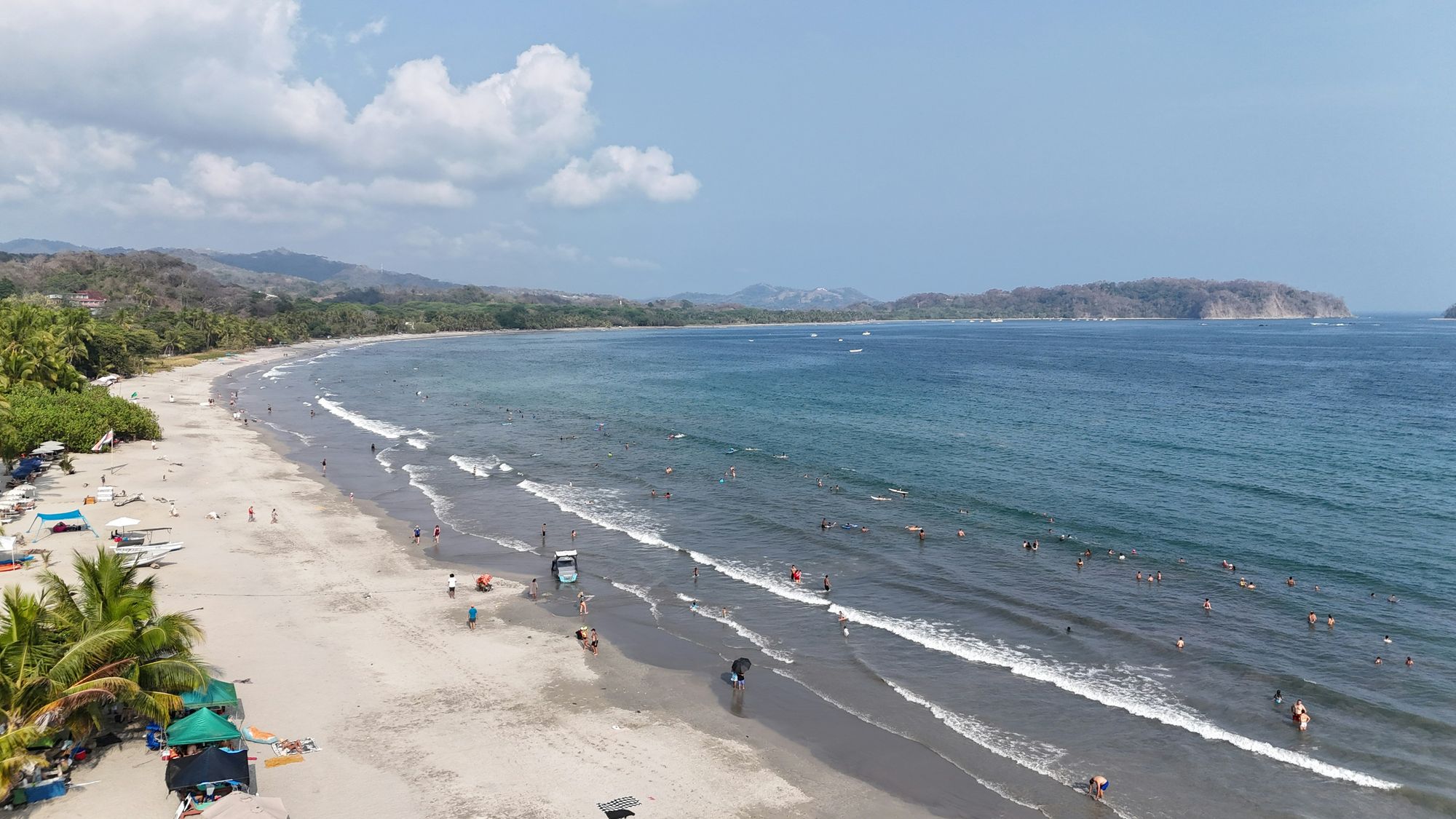
Playa Tamarindo itself is a mile-and-a-half curve of beige sand with a gentle, consistent break that's ideal for learning to surf. Dozens of schools run group lessons on the north end, where the wave is mellower.
Las Baulas National Marine Park, immediately north across the estuary, protects one of the world's largest nesting grounds for leatherback turtles. Guided night tours run from October through February and are the main reason to book ahead at that time of year.
A short drive south takes you to Playa Grande (more experienced surfers) and Playa Avellanas (secluded, with the famous Lola's beach restaurant). Catamaran sunset sails are the other classic half-day experience — most leave around 2 pm and include open bar and snorkeling.
Local picks
Tamarindo's food scene punches above its weight. Pangas Beach Club does upscale seafood at sunset, Nogui's has been serving reliable casados and burgers on the beach for decades, and La Bodega is the go-to for breakfast bowls and coffee before a surf.
For nightlife, the bar scene concentrates on the main strip — Sharky's and Aqua draw the biggest crowds. Volcano Brewing Company has local craft beer. Most places wind down by 2 am; this isn't a late-night town.
The Saturday farmers' market near Plaza Conchal brings local producers, artisans, and a lot of expats. For quieter beach time, hop the estuary boat to Playa Grande for a $2 ride and long empty sand.
Weather & climate
Tamarindo's climate is classic Pacific-coast Guanacaste — hot, sunny, and dry most of the year. Highs sit in the upper 80s to low 90s°F, with ocean breezes making evenings very pleasant.
December through April is a near-constant sun run with minimal rain. By February the landscape is visibly brown; the tradeoff is unbroken beach days and reliable offshore winds for surfing.
Green season rain (May–November) typically arrives as afternoon thunderstorms. September and October are the wettest and rawest months but also the cheapest and emptiest.
Monthly climate
Safety considerations
Tamarindo is one of the safest tourist towns in Costa Rica but has the usual beach-town petty crime: don't leave bags unattended on the sand, lock your car, and use hotel safes. The main drag is active and well lit; walk with friends at night.
The biggest real risk is the ocean. Rip currents are common, especially at the river-mouth end of the beach. Look for the flag system on busier days, ask your surf school before going out, and never swim near the estuary where crocodiles have been spotted.
Getting around
Tamarindo is compact — the main strip, the beach, and most hotels are walkable. Golf carts and ATVs are the local ride of choice and rent by the day or week at dozens of shops.
Uber technically operates but is inconsistent. Taxis Tamarindo has a local dispatch, and most hotels will call one. For trips to Playa Avellanas, Langosta, or Conchal, a rental car or ATV is much easier than relying on local transport.
When to visit
December through April is Tamarindo in its peak form — sun every day, busy restaurants, and consistent surf from northern swells. Christmas through New Year's and Easter week book out months ahead and charge premium rates.
If you want Tamarindo without the crowds, aim for May, June, or late November. The afternoon rains are short, the town exhales, and rates drop 25–40%. Turtle-nesting trips in Las Baulas peak November through January.