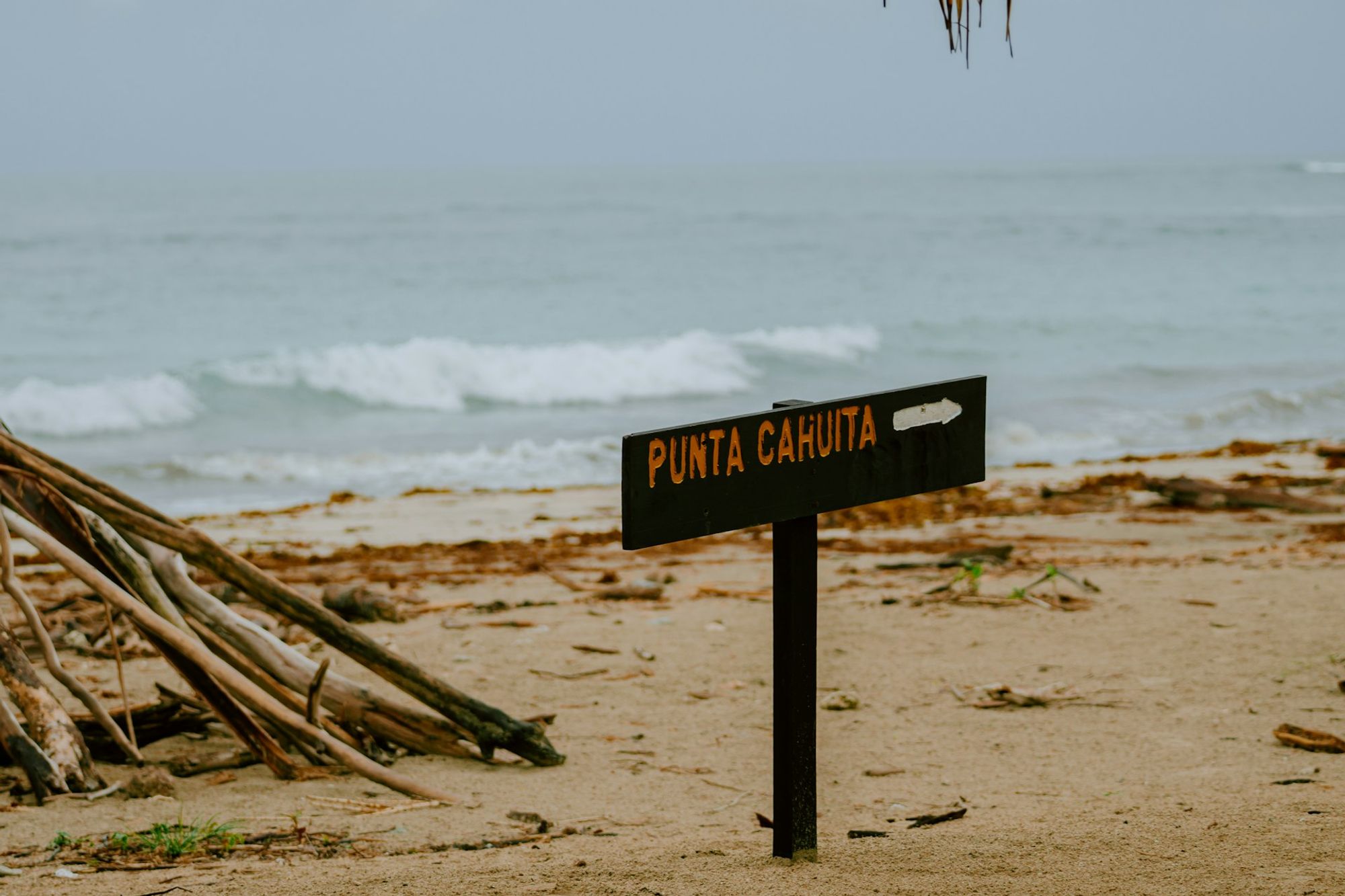
Cahuita National Park, Costa Rica
By Aaron Bailey · Last updated
Cahuita National Park combines an 8 km coastal rainforest trail with one of the Caribbean's healthiest coral reefs. Easy wildlife sightings, by-donation entry from town, and snorkeling tours run with local guides only.
Top attractions & tours
The Sendero Cahuita runs roughly 8 km from the Kelly Creek entrance in Cahuita town, past Playa Blanca and around the peninsula to the Puerto Vargas station. It's flat, shaded, and almost always within sight of the sea — one of the easiest wildlife walks in Costa Rica with a high payoff.
Wildlife sightings come fast and close. Expect howler monkeys in the canopy, white-faced capuchins working the beach edge, sloths in the cecropia trees, plus coatis, raccoons, and the occasional eyelash viper. Hiring a guide at the trailhead roughly triples what you'll spot — they carry scopes and know the sloth trees.
The 600-acre reef offshore is the best in Costa Rica's Caribbean, with elkhorn coral, brain coral, angelfish, parrotfish, and the occasional reef shark. Snorkeling is allowed only with a certified local guide on a small boat tour from Cahuita village — the reef is sensitive after past hurricane damage and DIY snorkeling is not permitted.
Local picks
In Cahuita village, Sobre Las Olas is the standout — Italian-Caribbean seafood on a tiny oceanfront terrace where sloths sometimes cross the trees overhead. Cha Cha Cha in the town center does international plates well, and Cocorico Restaurante Pizzeria runs Italian food with a nightly film screening at 7:30.
For Afro-Caribbean cooking — coconut rice and beans, jerk-style chicken, fresh fish — wander the main strip and look for the small Tico-Caribbean kitchens. The Reggae Bar on Playa Negra is the classic beachfront hang for a cold drink and live music as the afternoon winds down.
Stay close to the park on the Playa Negra side north of town. Atlantida Lodge has a pool and tropical garden a short walk to the black-sand beach, Bungalows Aché is a cozy budget pick near the Kelly Creek entrance, and Playa Negra Guesthouse and Casa Marcellino Lodge are both well-run beachside options.
Weather & climate
Cahuita follows the Caribbean's contrarian weather pattern — it doesn't match the rest of Costa Rica. Highs sit in the low to mid 80s°F year-round, lows around 72°F, and the sea stays bath-warm. Humidity is constant; pack quick-dry clothes.
Rain can fall any month, but the drier windows are February–March and September–October — exactly when the Pacific is either bone-dry or underwater. July and December are the wettest, often with multi-day soaks that can affect the dirt roads inland.
Even in the wet months, mornings are often clear and storms blow through hard and fast. The reef is calmest and clearest for snorkeling in the drier windows — September and October tend to deliver the best visibility.
Monthly climate
Safety considerations
The trail is safe but the wildlife is wild — do not feed or approach the raccoons and capuchins; they have learned to raid bags and can bite. Keep food sealed, watch where you step (snakes use the leaf litter), and don't leave belongings unattended at the beach picnic spots along the trail.
Rip currents can grab swimmers off Playa Blanca on bigger swells, and the reef has shallow patches that cause cuts if you stand up — wear fins or reef shoes on snorkel tours. Theft at trailhead parking is uncommon but possible; leave nothing visible in a parked car and stash valuables at your hotel before you go.
Getting around
Most travelers walk into the park on foot from Cahuita village through the Kelly Creek entrance, which runs by donation (~$5 suggested). The Puerto Vargas station at the south end charges a fixed fee and has a parking lot — useful if you want to walk the trail one direction and grab a taxi back.
The full trail is about 8 km one-way and takes 3–4 hours with wildlife stops. Snorkeling tours leave from Cahuita town on small boats with local guides — typically a half-day trip combining the reef with a guided beach walk. Bring cash; many operators and the entrance station don't take cards.
When to visit
September and October are the secret sweet spot — driest on the Caribbean coast, calmest seas for snorkeling, and the rest of Costa Rica is too wet to bother with. February and March are the other reliable dry window and slightly warmer.
Avoid July and December if rain ruins your trip — they're the wettest months and the inland highway from San José occasionally closes from landslides. Wildlife is active year-round, and the trail itself stays walkable even after heavy rain since it's flat and largely sand-and-root.