Corcovado National Park, Costa Rica
By Aaron Bailey · Last updated
Corcovado is the wildest, most biologically intense park in Costa Rica — a roadless rainforest on the Osa Peninsula reached only by boat, plane or a long guided hike from Puerto Jiménez or Drake Bay.
Top attractions & tours
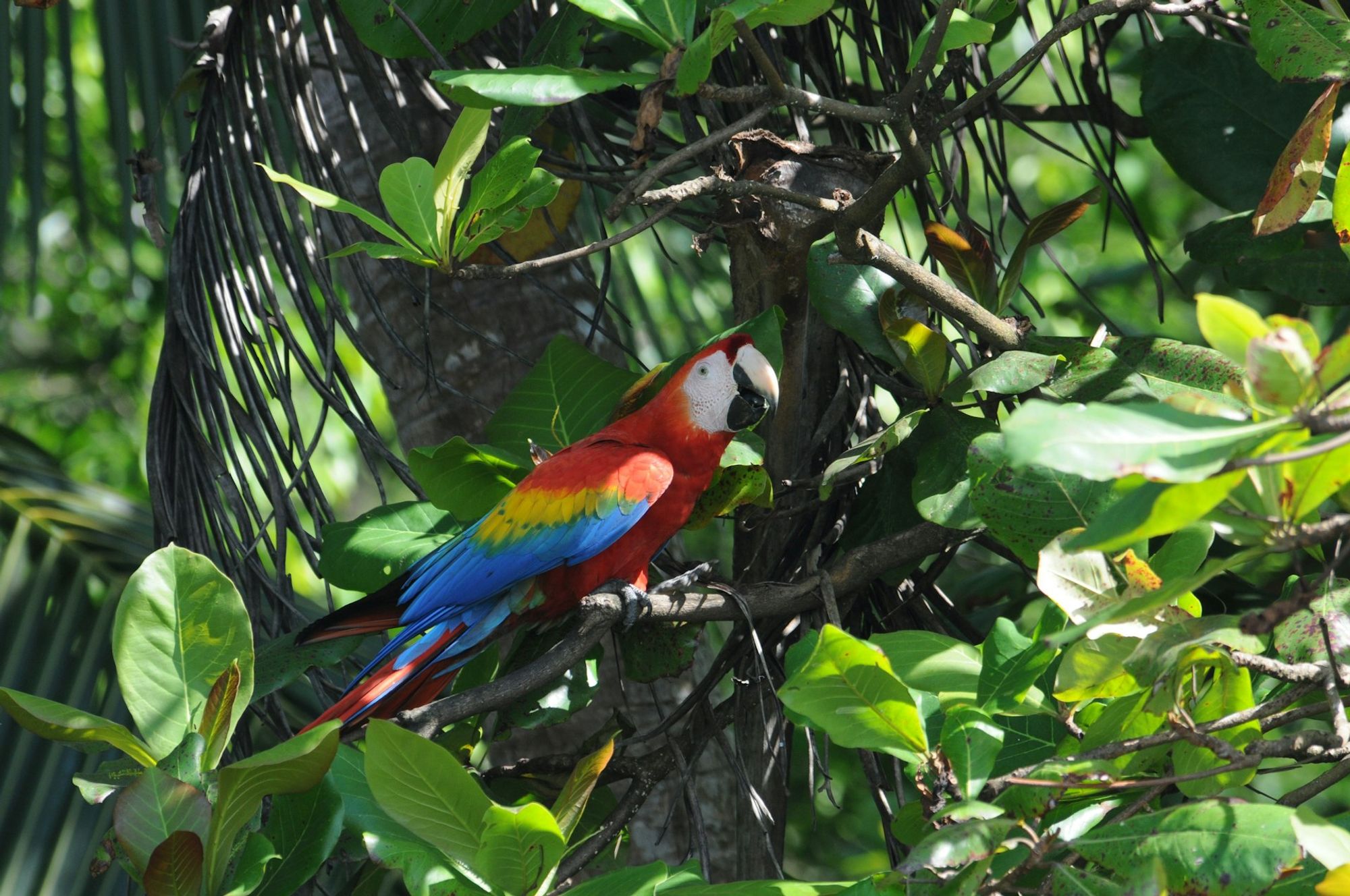
Sirena Ranger Station is the heart of the park and the single best place in Costa Rica to see wildlife on foot. Day hikes and overnight stays reach trails where Baird's tapirs, scarlet macaws, white-lipped peccaries and all four Costa Rican monkey species — howler, spider, capuchin and squirrel — are seen in a normal morning.
From the Puerto Jiménez side, the La Leona Ranger Station trail starts at Carate and follows the beach 16 km into the park, crossing river mouths and primary jungle. It's the classic multi-day route, usually paired with one or two nights at Sirena before hiking back out or catching a boat back to Drake.
On the Drake Bay side, San Pedrillo Ranger Station delivers a shorter coastal-rainforest day trip with a waterfall swim and frequent encounters with coatis, agoutis and toucans. Boat transfers from Drake make it the easiest of the three stations to visit without committing to a backcountry overnight.
Local picks
On the Puerto Jiménez side, Lapa Rios sits on a 1,000-acre private reserve above Matapalo and is the benchmark luxury eco-lodge of the Osa. Bosque del Cabo, a little further south at Cabo Matapalo, runs on its own hydro and solar power with cabins set above the Pacific. Both arrange Corcovado guides directly.
In Puerto Jiménez town, Pearl of the Osa at Iguana Lodge is the standout meal — open-air on Playa Platanares with fresh fish, Friday-night pasta and the occasional salsa crowd. Marisquería Corcovado in town is the local pick for ceviche and whole grilled snapper at half the price.
From Drake Bay, Aguila de Osa is a cliff-top lodge with sportfishing and direct boat access to San Pedrillo and Caño Island, and Casa Corcovado Jungle Lodge sits on a private reserve bordering the park, reachable only by boat. Both bundle guided park visits into multi-night packages.
Weather & climate
Corcovado is true wet tropical rainforest. Daytime highs stay in the low to mid-80s°F year-round, lows in the upper 60s to low 70s, and humidity rarely drops below 80%. The Osa Peninsula records roughly 145 inches of rain a year — among the wettest spots in Costa Rica.
The dry season runs late December through April. February and March are reliably bright with the easiest trail conditions, river crossings at their lowest, and the best wildlife viewing because animals concentrate near remaining water sources.
Green season from May to November brings serious rain. September and October are extreme — Sirena often disconnects entirely as rivers swell, and the park closes parts of its trail system. Even in the dry months, expect afternoon showers in the jungle interior.
Monthly climate
Safety considerations
Corcovado is genuinely remote — there are no roads, no cell signal at most stations, and no quick medical evacuation. Hike with your licensed guide at all times, drink only filtered water, and treat any insect bites or cuts immediately in the humid jungle. Bullet ants, fer-de-lance vipers and crocodiles at river crossings are real risks your guide will manage.
Heat exhaustion is the most common problem on La Leona and Sirena hikes. Carry far more water than you think you need, start before dawn, and respect the tide tables for beach sections — high tide closes parts of the Carate–La Leona route entirely. Never swim at river mouths where bull sharks and crocodiles patrol.
Getting around
Entry to Corcovado has been guide-only since 2014, and SINAC caps Sirena at 100 day visitors and 80 overnight guests. Book a licensed guide and park permits weeks in advance — most travelers go through their lodge or a Puerto Jiménez/Drake-based operator who handles SINAC paperwork, passport details and transport.
From Puerto Jiménez, access is by 4x4 collectivo to Carate then on foot to La Leona, or by chartered boat or Sansa flight to Sirena. From Drake Bay, all access is by boat — to San Pedrillo, Sirena or the offshore Caño Island. There is no road into the park; plan on at least two travel days from San José or Liberia.
When to visit
February through April is the prime window — driest trails, easiest river crossings, and the highest probability of clear wildlife sightings around remaining waterholes. Lodges book out months ahead for this stretch, and Sirena permits sell through quickly.
December and January are a solid second choice with mostly dry weather and slightly fewer crowds. Avoid September and October unless you are prepared for closures: Sirena access by land is often impossible, lodges shut down, and even boat transfers from Drake can be cancelled by surf.