Manuel Antonio National Park, Costa Rica
By Aaron Bailey · Last updated
Manuel Antonio National Park is Costa Rica's smallest and most-visited national park, where rainforest spills onto white-sand Pacific coves and four species of monkey share trails with sloths, iguanas, and coatis.
Top attractions & tours
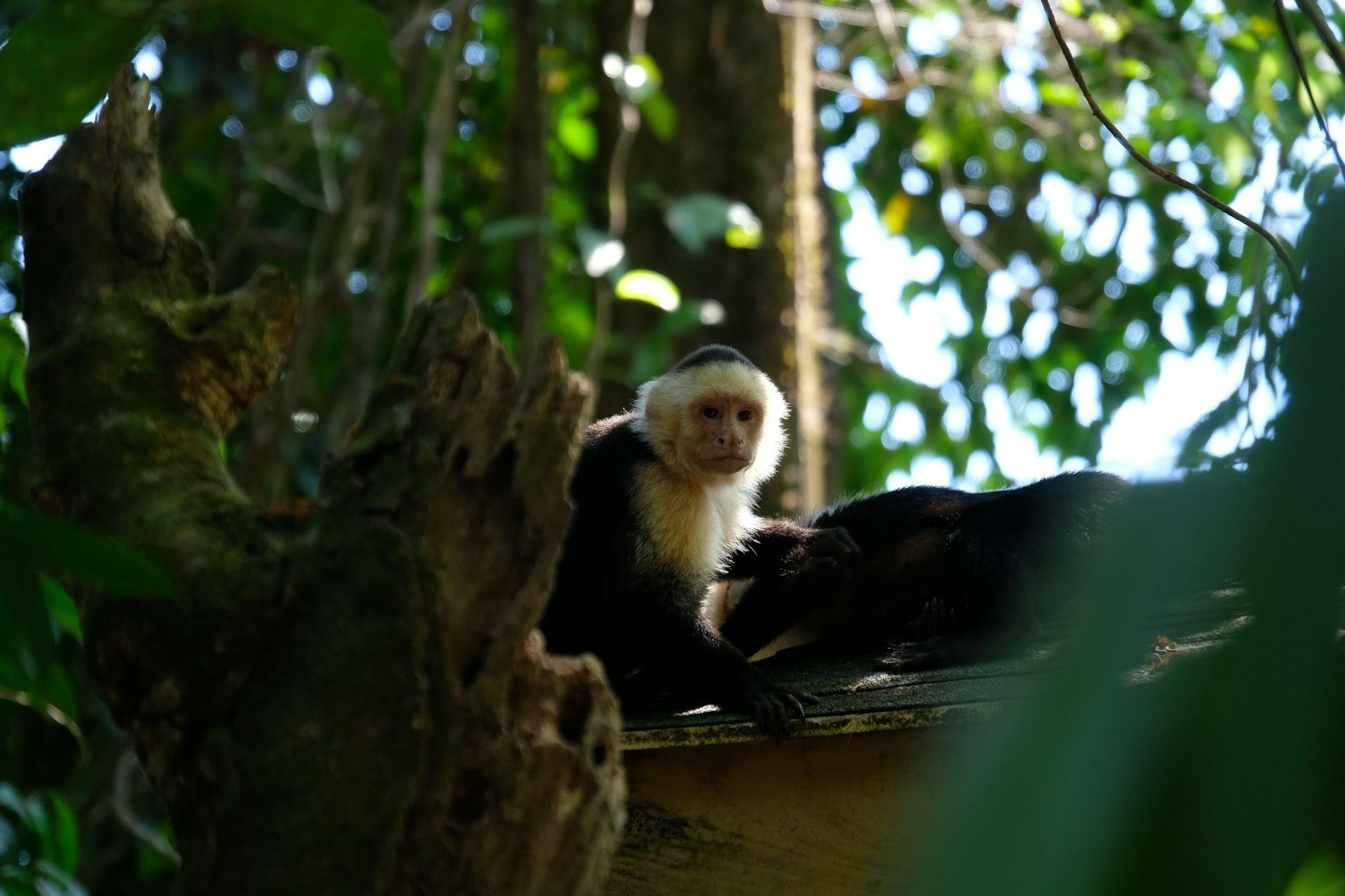
The Sendero Principal (also called Sendero Perezoso) is the wide, mostly flat main artery from the gate to the beaches. It's where most wildlife sightings happen: two-toed and three-toed sloths overhead, white-faced capuchins and the endangered Central American squirrel monkey in the canopy, plus coatis nosing through the leaf litter. A certified naturalist guide with a spotting scope is worth the $25–35.
Inside the park, Playa Manuel Antonio and Playa Espadilla Sur sit on either side of a tombolo connecting the mainland to the rocky Punta Catedral headland. Both have soft sand, calm-to-moderate surf, and jungle right to the waterline. Lifeguards work the swimming zones roughly 8am–4pm. Playa Gemelas further along is quieter but has stronger currents.
The Punta Catedral loop climbs a series of steps around the wooded peninsula with miradors looking back over the coast and out to the offshore islands. Further into the park, the Puerto Escondido and Miradores trails reach a viewpoint above a rugged cove that's closed to swimming. Together with the main trail, you can cover the whole network in three to four hours.
Local picks
The access road between Quepos and the park gate is lined with the area's best-known restaurants. El Avión, built around a salvaged 1954 Fairchild C-123 cargo plane bolted to the hillside, is the classic sunset spot. Café Milagro roasts its own coffee and does solid breakfasts and dinners, often with live music a couple nights a week.
Down in Quepos town, five minutes north of the park, sodas around the central market serve casados (rice, beans, plantains, salad, protein) for well under $10. El Gran Escape by the marina is the long-running sportfishing-crowd favorite for fresh tuna and dorado, and a useful stop if you've just come off a boat.
Most lodging clusters along the steep ridge between Quepos and the park entrance. Hotel La Mariposa sits on the ridge with sweeping ocean views from its open-air restaurant Le Papillon. For a quieter swim outside the park boundaries, Playa Biesanz is a short jungle path off the road — a protected cove that's good for snorkeling on calm days.
Weather & climate
The park is hot, humid, and tropical year-round. Daytime highs run in the high 80s°F, lows seldom dip below 72°F, and the sea-breeze keeps it just bearable. Humidity stays above 70% in every season.
Dry season runs December through April, with February the single driest month. Skies are mostly clear, trails are firm, and the park hits its busiest crowds — ticket slots sell out days in advance.
From May through November, mornings are usually clear and afternoons bring heavy thunderstorms. September and October are the wettest months of the year. Get to the gate at 7am, wrap up by lunch, and you'll mostly stay ahead of the rain.
Monthly climate
Safety considerations
Petty theft on the beaches is the single most common complaint inside the park. Never leave bags unattended for a swim — and that includes guarding against the capuchin monkeys, who will absolutely take food, sunglasses, and phones. The minimum-distance rule of about 2 meters from any wildlife exists for the same reason: bites and scratches happen.
Rip currents are a real risk, particularly on Playa Espadilla (the public beach just outside the park gate) and on Playa Gemelas inside. The lifeguarded park beaches — Manuel Antonio and Espadilla Sur — are usually the safest. Trails are well-marked but can be slick after rain, especially the Punta Catedral steps.
Getting around
Tickets must be bought in advance through the official SINAC portal — day-of walk-ups are not allowed, slots sell out 2–3 days ahead in dry season, and you'll need your passport to enter. The park is open Wednesday through Monday, roughly 7am to 3pm, and closed Tuesdays. Adult non-resident entry runs about $18 plus tax.
The park entrance is at the south end of Manuel Antonio village, about 7 km from Quepos. A public bus runs the corridor every 20–30 minutes for around $1, and Uber and taxis both work the road. From the gate you walk in on foot — no vehicles inside — with the furthest beach about a 25-minute stroll along Sendero Principal.
When to visit
Mid-December through April is the sweet spot for dry trails, reliable sunshine, and full wildlife visibility. It's also peak crowds and the highest prices on lodging. Booking the earliest 7am entry window means animals are most active and you've got the trails before the tour buses roll in.
Late November or early May delivers most of the good weather at much softer prices. September and October are the wettest stretch but the forest is at its lushest, and humpback whales pass offshore (best viewed from nearby Uvita/Marino Ballena) from July–October and again December–March.