Costa Rica National Parks: How to Visit, Reservations, and Which Ones Matter
A practical guide to Costa Rica's most-visited national parks: which to prioritize, how reservations work, what each one is actually like, and how to avoid crowds.
By Aaron Bailey · Published
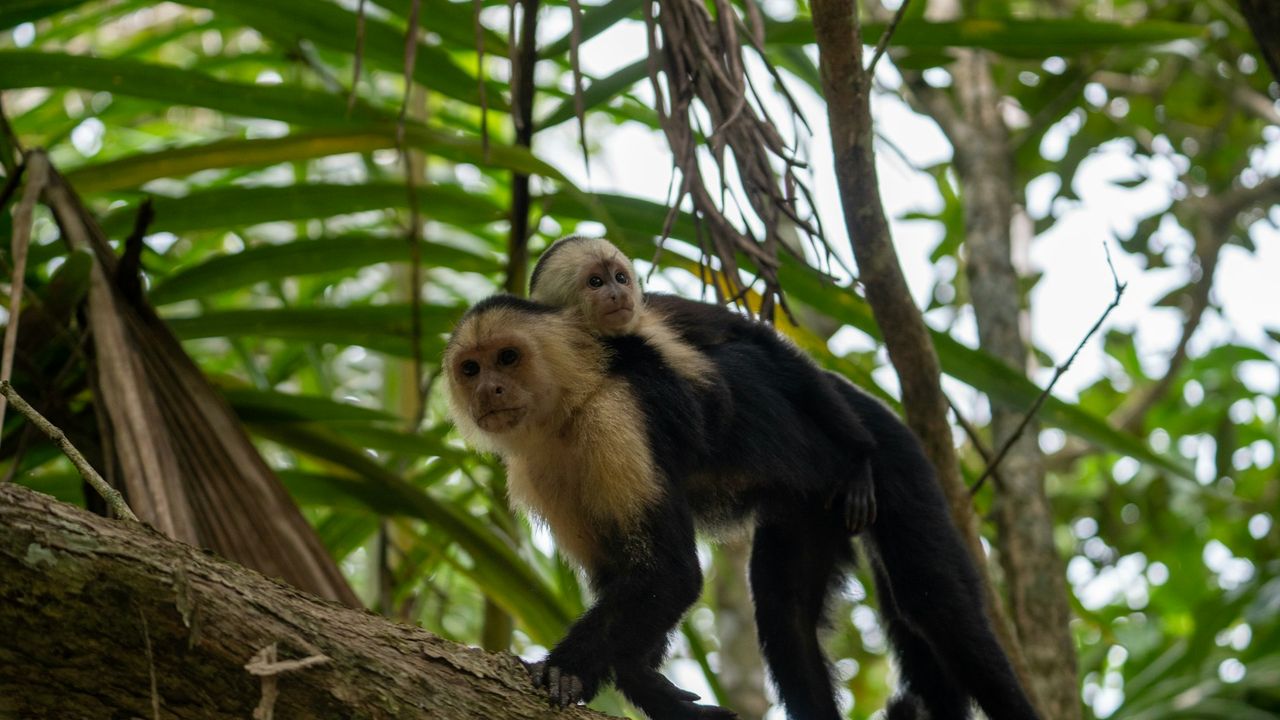
A quarter of Costa Rica’s land is some kind of protected area — national parks, biological reserves, wildlife refuges, indigenous territories. The country is genuinely committed to conservation in a way most North Americans aren’t used to, and you can feel it on every trip. Sloths, monkeys, scarlet macaws, dart frogs, and the occasional jaguar all live within an easy day’s drive of San José.
What that doesn’t tell you is which parks are actually worth your time as a visitor, how the reservation systems work (some require pre-booking, others don’t), how crowded each one gets, or what to do when the park you wanted to visit is full. After enough trips through enough parks to have favorites and least-favorites, here’s a practical breakdown.
If you want to browse all of them at a glance — including hours, location, and what makes each one distinctive — start at the national parks hub. The rest of this article is the strategic version: how to pick, how to book, and how not to waste your first morning.
The Five Parks Most Visitors Will Consider
For a typical 7–14 day trip, the parks you’re most likely to think about:
- Manuel Antonio National Park — Pacific coast, near Quepos. Beach + jungle + sloths.
- Arenal Volcano National Park — Northern lowlands, near La Fortuna. Volcano viewing + waterfall + hot springs nearby.
- Monteverde Cloud Forest Reserve — Central mountains, above Monteverde town. Cloud forest + hanging bridges + birding.
- Corcovado National Park — Osa Peninsula. The deep wild — jaguars, scarlet macaws, real biodiversity.
- Tortuguero National Park — Caribbean coast. Sea turtle nesting + jungle canals.
Plus a handful of secondary parks worth knowing about, each with its own page:
- Rincón de la Vieja National Park — Guanacaste, active volcano + mud pots
- Poás Volcano National Park — near SJO, active crater rim, easy half-day from the airport
- Irazú Volcano National Park — Costa Rica’s tallest, drive-up access, near Cartago
- Cahuita National Park — Caribbean, beach + reef + sloths, donation entry
- Marino Ballena National Park — Pacific, Whale’s Tail sandbar, near Uvita
And a few less-visited ones that don’t yet have dedicated guides here: Carara (Pacific scarlet macaws), Santa Rosa (northwest history + surf), Barra Honda (caves), Palo Verde (wetlands), La Amistad (cross-border wilderness).
Manuel Antonio: The Reservation Trap
Manuel Antonio is the most-visited national park in the country and has a reservation system you must use. You cannot just show up and pay at the gate.
How it works:
- All entries are pre-booked online via the official SINAC portal for a specific date and 4-hour entry window.
- Tickets cost about $18 USD per adult (paid online by card).
- The park is closed Tuesdays. Plan around this.
- The park caps daily visitors (~3,000) and midday weekends sell out 1–2 weeks in advance.
- Bring your printed or saved-digital ticket, plus your passport (matching the name on the ticket).
The strategy:
- Book the earliest entry window (7 AM or 8 AM), as soon as you know your dates. Animals are more active in the morning, the heat is gentler, and the trails feel less crowded before the tour buses arrive.
- A certified naturalist guide ($25–35 per person) is genuinely worth it. They have telescopes and know exactly where the sloths are. You’ll see 5x the wildlife with a guide. They wait at the entrance — you don’t need to book one in advance, but in high season the experienced guides go fast by 8 AM.
- Skip Tuesdays (closed). Weekends are busier than weekdays.
Full details on what’s inside, capuchin monkey warnings, and the swimmable cove are on the Manuel Antonio destination page.
Arenal Volcano: Easier Logistics
Arenal Volcano is the second-most-visited and uses a separate, simpler entry system than Manuel Antonio.
- No advance reservation required — pay at the gate ($15 USD adult).
- Open daily.
- The volcano hasn’t actively erupted since 2010 — what you’re getting now is viewing from below plus hiking on old lava fields.
- The most popular trail (1968 trail / Ceibo trail) is 3–4 km, moderate difficulty, mostly through old lava beds.
- The “view” depends entirely on cloud cover. Mornings are better; afternoons frequently socked in.
The national park is one piece. The bigger Arenal experience is the surrounding La Fortuna area:
- La Fortuna Waterfall — separate park, separate $18 entry fee, but stunning. 500 steps down to a swimmable pool.
- Hot springs — Tabacón, EcoTermales, Baldi, free natural ones (Río Chollín). Most travelers spend an evening here.
- Hanging bridges at Mistico Park or similar — great for canopy views and birding.
- Lake Arenal — windsurfing, fishing, drives.
The actual park visit is usually a half-day; the area around it is a 3–5 day trip. See the La Fortuna destination page for itinerary planning.
Monteverde Cloud Forest: Two Reserves, One Region
This is the spot that confuses people because there isn’t one “Monteverde National Park” — there are a few overlapping reserves managed by different organizations:
- Monteverde Cloud Forest Biological Reserve (Reserva Bosque Nuboso) — the original, run by the Tropical Science Center. $25 USD entry.
- Santa Elena Cloud Forest Reserve — slightly less crowded, similar terrain. $16 USD.
- Monteverde Wildlife Refuge / Curi-Cancha — privately run, less crowded, often better wildlife sightings.
For a first visit, Monteverde Reserve is the canonical choice. Trails are well-maintained, signage is good, and it’s the most famous. No advance reservation required, but they cap daily visitors and can sell out by mid-morning in high season — buy your ticket online or arrive at 7 AM.
What it’s like: misty, cool, dense, full of sound. Resplendent Quetzals (the iconic green-and-red bird) are best spotted March–June when they’re nesting near the trails. Year-round you’ll see hummingbirds, toucans, and (with a guide) lots of small reptiles and amphibians.
A guide is highly recommended. Cloud-forest wildlife is harder to spot than lowland — the canopy is dense and a lot of life is small. Without a trained eye and a scope, you’ll see less than you’d think.
Monteverde the town is also famous for the hanging bridges (Selvatura, Sky Walk) and zip-lining (the original canopy tour was invented here). Most travelers do one park visit + one canopy activity.
Corcovado: The Real Adventure
Corcovado is on the Osa Peninsula, Costa Rica’s wildest corner. National Geographic once called it “the most biologically intense place on Earth.”
What it requires:
- Mandatory certified guide. You cannot enter without a licensed guide. Period.
- Advance booking through a tour operator in Drake Bay or Puerto Jiménez. Plan 2–4 weeks ahead in high season.
- Park fee + guide fee + transport. Day tours from Drake Bay run $80–120 per person, including boat transport, guide, and park entry. Multi-day backpacking trips are more involved.
- Boat-only access to Sirena Station (the heart of the park), unless you’re hiking in over multiple days.
What you’ll see:
Tapirs, scarlet macaws by the dozen, four monkey species, peccaries, agoutis, coatis, hundreds of bird species, possibly a jaguar (rare, but they’re really there). It’s the closest thing to “untouched rainforest” you’ll find in Costa Rica.
Honest take: Corcovado is amazing but a real commitment. It’s a 6+ hour drive from San José, plus a boat ride, plus a guided tour day. If your trip is under 7 days, you’ll probably skip it. If you’re doing 10+ days and want one truly wild experience, it’s worth the effort. See the Corcovado destination page for transport options and lodging picks.
Tortuguero: Sea Turtles, Canals, and Boats
Tortuguero is on the northern Caribbean coast, accessible only by boat or small plane. The park is a maze of canals through dense rainforest, and the main attraction depends on the season:
- Sea turtle nesting (green sea turtles): July–October, peak August. Mandatory guided night tours from $25–40.
- Wildlife on the canals: Year-round. Boat tours through the canal system are the main daytime activity — you’ll see caimans, river otters, herons, monkeys, sometimes manatees.
Logistics:
Most people stay at one of the eco-lodges (Tortuga Lodge, Mawamba, Manatus) and do tours from there. The lodges arrange transport — usually a bus from San José to La Pavona, then a 1.5-hour boat ride to the lodge. Or fly in from SJO to the small airstrip ($110+) — see Flying in Costa Rica for the Sansa booking flow.
Reservations: book the lodge well in advance (months) for July–October peak. Off-season is easier and the canals are still amazing.
Smaller Parks Worth Knowing
Rincón de la Vieja — active volcano with mud pots, fumaroles, and waterfalls. Less crowded than the big-name parks. Day-trippable from Liberia or Tamarindo. Las Pailas sector is the main entry. ~$15 USD.
Poás Volcano (Central Valley, ~1.5 hours from SJO) — drive up to a sulfuric crater rim. Reservation required, similar to Manuel Antonio. Often closed when activity is high. ~$15 USD.
Irazú Volcano (Central Valley, near Cartago) — Costa Rica’s tallest volcano. Drive to the rim. Less dramatic than Poás but no reservation needed.
Cahuita (Caribbean, near Puerto Viejo) — donation-based entry (yes, free). Beach + reef + jungle. Lots of sloths and snakes if you have a sharp eye. Highly recommended.
Marino Ballena (Costa Ballena, at Uvita) — the Whale’s Tail sandbar appears at low tide; humpback whale watching peaks July–October and December–March. Modest entry fee, easy access from the beach.
Carara (Pacific, halfway between Jaco and SJO) — flat, easy trails, scarlet macaws at sunrise and sunset. Half-day visit. ~$10 USD.
How to Avoid Crowds
Go early. Every park is quieter at 7 AM than at 10. The jungle wildlife knows it too — animals are more active before the heat builds.
Go midweek. Tuesdays through Thursdays at any park. Saturdays and Sundays are domestic-tourist days too.
Go in green season. May, June, and November are dramatically quieter. Trails are wetter but vegetation is full and the photos are better. See When Is the Best Time to Visit Costa Rica? for a month-by-month breakdown.
Skip Christmas through New Year and Easter (Semana Santa) — the busiest weeks, when even ticketed parks feel full.
Pick the secondary park nearby. If Manuel Antonio is sold out, Marino Ballena (Uvita) and Carara (north of Jaco) offer different but equally valid wildlife. If Monteverde Reserve is full, Santa Elena or Curi-Cancha are right there.
Getting to the Parks
A few park-specific transport notes — for the full picture see How to Rent a Car in Costa Rica, Driving in Costa Rica, and Taking a Shuttle in Costa Rica.
- Manuel Antonio — drivable from SJO (~3 hours via Route 27 + 34); shuttles are common; tiny domestic flight option to Quepos (XQP).
- Arenal — drive or shuttle to La Fortuna (~3 hours from SJO); a small airstrip exists but most don’t use it.
- Monteverde Reserve — drive or shuttle to Monteverde town (~4 hours from SJO; last stretch is unpaved). The “Jeep-Boat-Jeep” shuttle from La Fortuna is a popular and scenic option.
- Corcovado — fly into Puerto Jiménez (PJM) or Drake Bay (DRK), or commit to a long drive + boat. Most people fly.
- Tortuguero — no road access. Lodge shuttle (bus + boat from La Pavona) or short Sansa flight from SJO.
- Poás, Irazú — easy drive from SJO; ~1.5–2 hours each, both day-trippable.
- Rincón de la Vieja — drive from Liberia or Tamarindo (~1 hour).
- Cahuita — drive from Puerto Viejo (15 minutes) or SJO (4–5 hours via Route 32).
- Marino Ballena — at Uvita, drivable from SJO (~3.5 hours) or any Pacific coast destination.
If you’re traveling with kids, Driving with Kids in Costa Rica has notes on car seats, motion sickness, and which routes to break into shorter legs.
Common-Sense Park Tips
- Bring water. No filling stations inside most parks.
- Check the snack situation. Some parks do not allow food to be brought in, some do.
- Bring binoculars. $40 binoculars dramatically improve wildlife sightings.
- Wear closed-toe shoes. Sandals are fine for boardwalks; trails want grip.
- Bug spray. Especially in lowland and Caribbean parks.
- Don’t feed the wildlife. Especially capuchin monkeys.
- Stay on the trail. Some trails close due to wildlife (jaguar tracks, snake activity) — respect closures.
- Sun and rain protection. Hat, light layer, packable jacket.
- Quiet voices. You’ll see more if you’re not the loudest group on the trail.
The big-name parks are big-name for good reason — they each offer something specific and excellent. But the country is so park-dense that you can have a great wildlife experience even without the marquee names. A morning in Carara, an afternoon in Cahuita, a sunset boat ride through Tortuguero, a 7 AM walk in Monteverde — any of these will give you the Costa Rica nature experience.
If you want to keep exploring, the national parks hub lists all 10 parks with location and category at a glance.
Pura vida and respect the trails.
About the Author
Aaron Bailey
Hey, I'm Aaron and I've been living in Costa Rica 5 years and visiting much longer than that. I've traveled all over this country by car, plane and shuttle and I'm here to help you plan the best trip to Costa Rica.
Read more about Aaron